Featured Post

About--DRAFT

 (reserved space for page translation tool IM?) Why is there an asterisk after the word test below the title? refreshing byte-sized bits to...

Monday, December 29, 2025

Curious about what, en-->EL

 Lingvanex Translation: English (British) → Greek

Why, and curious about what
Γιατί, και περίεργος για τι

Some researchers have suggested that curiosity is its own drive, like hunger or thirst. The idea being that, since it is hard to know what piece of information might come in handy in the future to help us satiate our other needs, evolution built in a drive to seek out information for its own sake, for us to accumulate in case it becomes useful.
Μερικοί ερευνητές έχουν προτείνει ότι η περιέργεια είναι η δική της ορμή, όπως η πείνα ή η δίψα. Η ιδέα είναι ότι, δεδομένου ότι είναι δύσκολο να γνωρίζουμε ποια πληροφορία θα μπορούσε να φανεί χρήσιμη στο μέλλον για να μας βοηθήσει να ικανοποιήσουμε τις άλλες ανάγκες μας, η εξέλιξη βασίστηκε σε μια προσπάθεια αναζήτησης πληροφοριών για χάρη της, για να συσσωρευτούμε σε περίπτωση που γίνει χρήσιμο.

But all this infophilia raises an important question: if we like information so much, why don’t we seek out more of it? Most of us are constantly surrounded by various machines and phenomena we have only the dimmest understanding of. As I write these words, in front of me is a microphone. How does a microphone convert sound, made up of waves of air, into an electrical signal? I have no idea. I similarly have no clue how the motor in my standing desk converts electricity into movement.
Αλλά όλη αυτή η ινφοφιλία εγείρει ένα σημαντικό ερώτημα: αν μας αρέσουν τόσο πολύ οι πληροφορίες, γιατί δεν αναζητούμε περισσότερες από αυτές? Οι περισσότεροι από εμάς περιβάλλονται συνεχώς από διάφορες μηχανές και φαινόμενα για τα οποία έχουμε μόνο την πιο αμυδρή κατανόηση. Καθώς γράφω αυτές τις λέξεις, μπροστά μου υπάρχει ένα μικρόφωνο. Πώς ένα μικρόφωνο μετατρέπει τον ήχο, που αποτελείται από κύματα αέρα, σε ηλεκτρικό σήμα? Δεν έχω ιδέα. Ομοίως, δεν έχω ιδέα πώς ο κινητήρας στο όρθιο γραφείο μου μετατρέπει την ηλεκτρική ενέργεια σε κίνηση.

It isn’t just technology that raises these questions. How do the trees I see out of my window convert sunlight into usable energy? Other than the word ‘photosynthesis’, I wouldn’t be able to tell you. I have only a slight understanding of the chemical properties of water that make it act in its characteristic ‘wet’ way, allowing it to run over my hands, bead up if I have oil or lotion on my hands, and get easily absorbed by a towel.
Δεν είναι μόνο η τεχνολογία που εγείρει αυτά τα ερωτήματα. Πως τα δέντρα που βλέπω από το παράθυρό μου μετατρέπουν το φως του ήλιου σε χρησιμοποιήσιμη ενέργεια? Εκτός από τη λέξη ‘photosynthesis’, δεν θα μπορούσα να σας πω. Έχω μόνο μια μικρή κατανόηση των χημικών ιδιοτήτων του νερού που το κάνουν να ενεργεί με τον χαρακτηριστικό ‘wet’ τρόπο του, επιτρέποντάς του να τρέχει πάνω από τα χέρια μου, να σηκώνει χάντρες αν έχω λάδι ή λοσιόν στα χέρια μου και να απορροφάται εύκολα από μια πετσέτα.

I have access to vast amounts of knowledge through the internet. A simple search would turn up information that might dramatically improve my understanding of all these phenomena. And yet I’ve never once stopped to look up answers to these specific questions.
Έχω πρόσβαση σε τεράστιες ποσότητες γνώσης μέσω του διαδικτύου. Μια απλή αναζήτηση θα εμφάνιζε πληροφορίες που θα μπορούσαν να βελτιώσουν δραματικά την κατανόησή μου για όλα αυτά τα φαινόμενα. Και όμως δεν σταμάτησα ούτε μια φορά να ψάξω απαντήσεις σε αυτές τις συγκεκριμένες ερωτήσεις.

Humans are curious, but we are selectively curious. Of course, we can’t be curious about everything – each of us has limited time to indulge in information consumption. But why is it that we might be so driven to learn, say, the resolution of a TV plot but feel little compulsion to learn about how our devices work or other aspects of everyday life? What explains our particular patterns of curiosity?
Οι άνθρωποι είναι περίεργοι, αλλά είμαστε επιλεκτικά περίεργοι. Φυσικά, δεν μπορούμε να είμαστε περίεργοι για τα πάντα – ο καθένας μας έχει περιορισμένο χρόνο για να επιδοθεί στην κατανάλωση πληροφοριών. Αλλά γιατί μπορεί να οδηγηθούμε τόσο πολύ να μάθουμε, ας πούμε, την επίλυση μιας τηλεοπτικής πλοκής, αλλά να νιώθουμε ελάχιστο εξαναγκασμό να μάθουμε πώς λειτουργούν οι συσκευές μας ή άλλες πτυχές της καθημερινής ζωής? Τι εξηγεί τα ιδιαίτερα μοτίβα περιέργειάς μας?


Monday, December 22, 2025

Fable Cottage, subtitled text online--fantastic!

Bored with the hodegepodge here?

This is a brilliant and rich resource for online interlinear-like stories--definitely better than this site for fun stuff to read. 

Fable Cottage

I love the idea that they have foregrounded the idea of testing oneself to see if you remember as much as you thought you should of a language that you perhaps once studied (my paraphrase) . . . because that is precisely what has motivated me to work on this and related sites having to do with subtitled text

Check them out, really. Well worth the time to stop by and even try all their free stuff.
jkm


Saturday, December 20, 2025

Two children's stories, English to Czech

Revised: 29.12.25

Object lesson.

These stories were not given as perfect examples of the Czech language, as noted. One was proofread by a native speaker and corrections were made. Although DeepL was considered by many among my friends and acquaintances, it is flawed. Consider what an everyday CS reader did with the Amalka story. 

https://inter-linearnichesite.org/amalka.html 
about a young girl "telling stories" and

 https://inter-linear.nichesite.org/danny.html 
about a young boy learning languages

These were created as gifts to my CZ grandchildren. CS is not easy to translate . . . I used DeepL to do it, having been recommended this engine by current and former EFL students. 

 It is not that DeepL doesn't make mistakes. In a story about a child and a tree, the machine translation came up with car boot or luggage compartment for trunk, as in tree trunk. How could it miss the context? If just did, so proofreading is always needed and recommended . . . until machine language translation perfection is reached, which I believe will be never, especially with literary texts.

 What DeepL did that others messed up badly was correctly use CS-convention quotation marks. A minor detail, yes, but I saw that and didn't have to ask native CS speakers to proofread those translations. 

 BECAUSE these DeepL translations were to aid/help decode/learn/practice reading EN. Imperfect as these translations may be, they will be good enough for the intended purpose. 

jkm,Prague, 12.25

Thursday, December 11, 2025

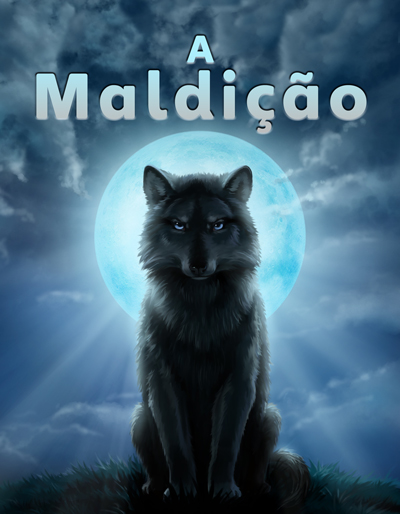
A Maldição, pt-->EN

 Illustration

Service: DeepL
Portugese → English
Input Method: Text Input
Display Order: Source First
Translation Unit: Sentence by Sentence
Generated: 12/12/2025, 13:00
Source: https://worldstories.org.uk/reader/the-curse/portuguese/366
Note: Demonstration, rights reserved by source

Dizem no meu país que existe uma maldição que recai sobre o sétimo filho nascido em qualquer família.
They say in my country that there is a curse that falls on the seventh child born into any family.
A maldição não recairá sobre as filhas, mas se a mãe der à luz sete filhos então o último será com toda a certeza um Lobisomem – uma criatura que é metade homem, metade lobo.
The curse won't fall on the daughters, but if the mother gives birth to seven children then the last one will definitely be a werewolf - a creature that is half man, half wolf.
Dizem que tais criaturas atacam os humanos; dizem que são ferozes e cruéis.
Such creatures are said to attack humans; they are said to be ferocious and cruel.
Mas este não era o caso de Filipe.
But this was not the case with Philip.
Há muito, muito tempo, havia uma pequena aldeia à beira da floresta.
A long, long time ago, there was a small village on the edge of the forest.
Na maior das vezes, era uma aldeia pacata, mas os aldeões viviam cheios de medo do Lobisomem que diziam morar nas profundezas da floresta.
For the most part, it was a peaceful village, but the villagers lived in fear of the Werewolf that they said lived deep in the forest.
Os Lobisomens eram criaturas escuras, metade homen metade lobo e dizia‐se que quando era noite de lua cheia estas criaturas rastejavam para fora da floresta em busca de carne humana.
Werewolves were dark creatures, half man half wolf, and it was said that on the night of the full moon these creatures would crawl out of the forest in search of human flesh.
Mas como é que uma criatura destas é criada?
But how is such a creature created?
É simples: a maldição que recai sobre o sétimo filho nascido em qualquer família.
It's simple: the curse that falls on the seventh child born into any family.
Quando Filipe nasceu a sua mãe estava cheia de medo.
When Philip was born, his mother was filled with fear.
Esperava uma filha, não um sétimo filho; mas a mãe de Filipe era bondosa e carinhosa e não iria voltar as costas ao seu próprio filho e não se importava com aquilo que os aldeões diziam sobre a maldição.
She was expecting a daughter, not a seventh son; but Philip's mother was kind and loving and wouldn't turn her back on her own son and didn't care what the villagers said about the curse.
Passaram‐se muitos anos em paz.
Many years passed in peace.
Filipe cresceu e tornou‐se num menino forte, muito amado pela mãe, pelo pai e pelos seis irmãos.
Philip grew up to be a strong boy, much loved by his mother, father and six siblings.
Mas Filipe notava que era tratado de forma diferente dos seus irmãos.
But Philip noticed that he was treated differently from his siblings.
Não ia à escola porque a professora não o permitia.
He didn't go to school because his teacher wouldn't allow it.
Não era justo, pois o menino adorava aprender coisas novas e ansiava fazer amizade com outras crianças.
It wasn't fair, as the boy loved learning new things and was eager to make friends with other children.
Quando Filipe ia ao pão a pedido da mãe, as pessoas da aldeia nunca cruzavam o seu caminho e olhavam para ele sempre com um misto de medo e ressentimento que desencoragava o rapaz.
When Filipe went to get bread at his mother's request, the villagers never crossed his path and always looked at him with a mixture of fear and resentment that discouraged the boy.
As outras crianças não brincavam com ele e nunca o deixavam sair para o jardim em noite de lua cheia.
The other children didn't play with him and never let him go out into the garden on a full moon.
Esta última questão era talvez a pior de todas porque Filipe adorava a Lua – sobretudo quando estava cheia e redonda no céu escuro –, havia algo nela que lhe despertava os seus sentidos e fazia com que ele tivesse vontade de cantar, dançar e correr.
This last issue was perhaps the worst of all because Philip loved the moon - especially when it was full and round in the dark sky - there was something about it that awakened his senses and made him want to sing, dance and run.
Embora a vida fosse calma, estava longe de ser feliz.
Although life was calm, it was far from happy.
Filipe estava cada vez mais isolado a cada ano que passava.
Filipe became more and more isolated with each passing year.
Não tinha amigos e nunca foi convidado para brincar com as outras crianças.
He had no friends and was never invited to play with the other children.
Às vezes ouvia as gargalhadas e imaginava os jogos que estariam a jogar e como se estariam a divertir.
Sometimes he would hear the laughter and imagine what games they were playing and how much fun they were having.
Filipe também notava que até a própria mãe e os irmãos começavam a olhar para ele de forma estranha.
Filipe also noticed that even his mother and siblings began to look at him strangely.
– O que é que está errado em mim?
- What's wrong with me?
– perguntava Filipe muitas vezes a si próprio.
- Filipe often asked himself.
– Eu não sou assim tão mau menino.
- I'm not such a bad boy.
Faço as minhas tarefas e quase nunca me porto mal.
I do my chores and hardly ever misbehave.
Por que é que sou tratado de forma tão diferente das outras crianças?
Why am I treated so differently from the other children?
À medida que se aproximava do seu décimo quinto aniversário, Filipe estava mais triste do que nunca.
As he approached his fifteenth birthday, Filipe was sadder than ever.
A mãe raramente o deixava sair de casa e muitas vezes parecia agitada quando estava ao pé dele.
His mother rarely let him out of the house and often seemed agitated when she was around him.
As crianças maldosas atiravam‐lhe pedras se o vissem a brincar sozinho ao lado da sua casa, mas quando ele os desafiava elas fugiam dele como se ele fosse um monstro.
Naughty children would throw stones at him if they saw him playing alone next to his house, but when he challenged them they would run away from him as if he were a monster.
Às vezes Filipe desejava fugir para a grande floresta e nunca mais voltar.
Sometimes Philip wished he could run away into the great forest and never come back.
Um dia a mãe sentou‐se com ele e explicou‐lhe a razão dos seus problemas.
One day his mother sat down with him and explained the reason for his problems.
–Tu és o meu sétimo filho –, disse ela – e há uma maldição que recaiu sobre ti, meu filho.
-"You are my seventh son," she said, "and there is a curse on you, my son.
Filipe ficou muito confuso.
Philip was very confused.
– Que espécie de maldição?
- What kind of curse?
– perguntou ele.
" he asked.
– Quando fizeres quinze anos, transformar‐te‐ás em Lobisomem, uma criatura que é metade homem metade lobo.
- "When you turn fifteen, you'll turn into a werewolf, a creature that's half man and half wolf.
Filipe sabia tudo sobre Lobisomens que aprendera nos livros e nas histórias contadas pelos seus irmãos à noite quando julgavam que ele já estava na cama a dormir.
Filipe knew all about werewolves from books and from the stories his brothers told him at night when they thought he was already asleep in bed.
Mas nunca contaram ao Filipe que ele estava amaldiçoado.
But they never told Filipe that he was cursed.
Ele não queria ser Lobisomem.
He didn't want to be a werewolf.
Ele não queria ser feroz nem cruel, e a ideia de ter unhas compridas e pêlo espesso a cobrir‐lhe o corpo também não o convencia.
He didn't want to be fierce or cruel, and the idea of having long nails and thick fur covering his body didn't convince him either.
Na véspera do seu décimo quinto aniversário, o jovem Filipe estava mais triste do que nunca.
On the eve of his fifteenth birthday, young Filipe was sadder than ever.
Sentou‐se na sua cama, no escuro e chorou sozinho.
He sat on his bed in the dark and cried alone.
«Sempre estive sozinho,» pensou ele.
"I've always been alone," he thought.
«Sempre fui tratado de forma diferente.
"I've always been treated differently.
E agora estou amaldiçoado e tornarme‐ ei Lobisomem.
And now I'm cursed and I'm going to become a werewolf.
O que devo fazer?
What am I supposed to do?
Eu só queria ser tratado como todas as outras pessoas.
I just wanted to be treated like everyone else.
Tudo o que eu sempre quis foi brincar na floresta com amigos e admirar a bonita lua à noite.
All I ever wanted was to play in the forest with friends and admire the beautiful moon at night.
» Nesse momento, Filipe olhou para fora da janela do seu quarto e viu a lua subir num céu azul‐escuro cheio de estrelas.
" At that moment, Filipe looked out of his bedroom window and saw the moon rising in a dark blue sky full of stars.
Era uma lua grande e muito bonita e encheu o seu coração de alegria.
It was a big, beautiful moon and it filled his heart with joy.
Foi então que aconteceu algo muito estranho: Filipe sentiu uma agitação na sua barriga e comichão na pele.
Then something very strange happened: Filipe felt a fluttering in his stomach and itching on his skin.
Do seu peito surgiu um som de uivo e ergueu a cabeça para a lua e chamou‐a como nunca tinha feito antes.
A howling sound came from his chest and he raised his head to the moon and called to it as he had never done before.
O seu corpo de repente fico repleto de pêlo e as unhas das mãos e dos pés tornaram‐se longas garras cor‐de‐marfim.
His body suddenly filled with fur and his fingernails and toenails became long ivory-colored claws.
A sua roupa estava rasgada em pedaços e caiu no chão a seus pés.
Her clothes were torn to shreds and fell to the ground at her feet.
E quando Filipe se olhou ao espelho, viu o reflexo de um menino lobo alto a olhar para ele com o corpo coberto de pêlo espesso e olhos vermelhos selvagens que pareciam brilhar no escuro.
And when Philip looked in the mirror, he saw the reflection of a tall wolf boy staring back at him with a body covered in thick fur and wild red eyes that seemed to glow in the dark.
– Afinal sou um Lobisomem!
- I am a werewolf after all!
– exclamou.
- he exclaimed.
Filipe sentiu o chamamento da lua e da floresta e soube então que estava na hora de virar costas à sua antiga vida e abraçar o seu destino.
Filipe felt the call of the moon and the forest and knew it was time to turn his back on his old life and embrace his destiny.
O jovem menino lobo abriu a janela do seu quarto.
The young wolf boy opened his bedroom window.
Pouco antes de pular para a noite, parou e olhou para o seu quarto uma última vez e os seus pensamentos foram para a sua mãe, o seu pai e os seus seis irmãos.
Just before he jumped into the night, he stopped and looked around his room one last time and his thoughts went to his mother, father and six siblings.
«Lembrar‐me‐ei sempre de vocês, da minha querida família, mas agora tenho de aceitar quem sou e começar uma nova vida.
"I will always remember you, my dear family, but now I have to accept who I am and start a new life.
Saltou da janela do quarto e correu para a floresta, sempre uivando para a lua, e com o seu coração repleto de uma esperança estranha para o futuro.
He jumped out of his bedroom window and ran into the forest, all the while howling at the moon, his heart filled with a strange hope for the future.
Quando Filipe estava nas profundezas da floresta, parou numa linda clareira e olhou para cima, para as árvores antigas e para a magnífica lua no céu.
When Philip was deep in the forest, he stopped in a beautiful clearing and looked up at the ancient trees and the magnificent moon in the sky.
Uivou e uivou e saltou e dançou e riu...
He howled and howled and jumped and danced and laughed...
e quando finalmente parou de uivar e dançar, olhou em redor e notou que os Lobisomens estavam reunidos na clareira.
and when he finally stopped howling and dancing, he looked around and noticed that the Werewolves were gathered in the clearing.
Alguns eram novos como Filipe, outros eram mais velhos.
Some were young like Filipe, others were older.
Aproximaram‐se de Filipe e deram‐lhe as boas‐vindas.
They approached Filipe and welcomed him.
– Agora estás em casa, na grande floresta entre amigos –, disse um deles com voz gentil e suave.
- You're home now, in the great forest among friends," said one of them in a gentle, soft voice.
E foi então que Filipe percebeu que não tinha sido amladiçoado.
And it was then that Philip realized he hadn't been cursed.
– Eu sou um Lobisomem e estou em casa!
- "I'm a werewolf and I'm home!
– disse ele com um sorriso enquanto erguia a cabeça para a lua cheia e uivou com toda a força.
" he said with a smile as he raised his head to the full moon and howled with all his might.
Os outros Lobisomens juntaram‐se a ele e uivaram em uníssono para o céu em honra da lua.
The other werewolves joined him and howled in unison to the sky in honor of the moon.
A muitos quilómetros de distância, a mãe do Filipe estava no seu jardim em camisa‐dedormir e ouviu o uivo dos Lobisomens que uma suave brisa emanava da grande floresta.
Many kilometers away, Filipe's mother was in her garden in her nightgown and heard the werewolves howl as a gentle breeze emanated from the great forest.
A velha senhora sorriu porque sabia que o seu sétimo filho tinha finalmente encontrado um lar onde seria bem‐vindo e onde teria muitos amigos e viveria uma vida longa e feliz.
The old lady smiled because she knew that her seventh child had finally found a home where he would be welcome and where he would have many friends and live a long

Monday, December 8, 2025

Eras of brain architecture, en--IT

Il tuo cervello si riprogramma costantemente man mano che invecchi.
Your brain constantly rewires itself as you age.
 
Secondo una nuova ricerca, potrebbe addirittura attraversare cinque distinte epoche di collegamento tra nascita e morte, segnate da punti di svolta intorno ai 9, 32, 66 e 83 anni.
It may even go through five distinct epochs of wiring between birth and death, marked by turning points around the ages of 9, 32, 66 and 83, new research suggests.
 
I risultati, descritti in un articolo pubblicato il 25 novembre sulla rivista Nature Communications, sottolineano la complessità dello sviluppo umano, che non sembra seguire una progressione costante e lineare.
The findings, described in a paper published November 25 in the journal Nature Communications, underscore the complexity of human development, which does not appear to follow a steady, linear progression.
 
Comprendere il tipico percorso strutturale del cervello potrebbe fornire informazioni su alcune condizioni cerebrali associate all'età, come il disturbo bipolare, che si manifesta solitamente durante l'adolescenza o la prima età adulta, e la demenza, che si riscontra solitamente negli anziani.
Understanding the brain’s typical structural journey could provide insights into certain brain conditions associated with age, such as bipolar disorder, which typically shows up during adolescence or young adulthood, and dementia, which is usually seen in older adults.
 
Si ritiene che queste condizioni siano collegate al modo in cui è cablato il cervello.
These conditions are thought to be linked to the way the brain is wired.
 
“È importante comprendere i normali punti di svolta nella struttura del cervello nel corso della vita umana in modo da poter, in studi futuri, esplorare cosa devia durante la salute mentale o le condizioni neurodegenerative,” afferma Katya Rubia, neuroscienziata del King's College di Londra che non è stata coinvolta nella ricerca, a Carissa Wong del New Scientist.
“It’s important to understand the normal turning points in brain structure over the human lifespan so we can, in future studies, explore what deviates during mental health or neurodegenerative conditions,” says Katya Rubia, a neuroscientist at King’s College London who was not involved with the research, to New Scientist’s Carissa Wong.
 
“Una volta capito cosa si sta deviando, questo può aiutarti a individuare i modi per trattarlo.
“Once you understand what’s deviating, that can help you pinpoint ways to treat it.
 
Service: Lingvanex

English (British) → Italian

Input Method: Text Input

Display Order: Translation First

Translation Unit: Sentence by Sentence

Generated: 12/8/2025, 8:19:11 PM

Source: https://www.smithsonianmag.com/smart-news/your-brain-goes-through-five-distinct-epochs-of-neural-wiring-during-your-lifetime-new-research-suggests-180987755


Thursday, December 4, 2025

Mi propio yo*

Un cuento infantil en español con subtítulos en inglés.

My Own Self *

A children's story in Spanish with subtitles in English.
En una pequeña casa en el norte del país, lejos deIn a tiny house in the North Countrie, far away from
En cualquier pueblo o aldea, no hace mucho vivía un pobreany town or village, there lived not long ago, a poor
viuda sola con su pequeño hijo, de seis añoswidow all alone with her little son, a six-year-old
chico.boy.
La puerta de la casa se abría directamente a la ladera de la colina yThe house-door opened straight on to the hill-side and
alrededor había páramos y piedras enormes, yall round about were moorlands and huge stones, and
hondonadas pantanosas; nunca una casa ni una señal de vidaswampy hollows; never a house nor a sign of life
donde quiera que mires, para sus vecinos más cercanoswherever you might look, for their nearest neighbours
eran los "ferlies" en la cañada de abajo, y loswere the "ferlies" in the glen below, and the
"fuegos fatuos" en la hierba alta a lo largo del"will-o'-the-wisps" in the long grass along the
al lado del camino.pathside.
Y muchas historias que podría contar sobre la "buena gente".And many a tale she could tell of the "good folk"
llamándose unos a otros en los robles, y elcalling to each other in the oak-trees, and the
luces parpadeantes saltando hasta el alféizar de la ventana,twinkling lights hopping on to the very window sill,
en noches oscuras; pero a pesar de la soledad, ellaon dark nights; but in spite of the loneliness, she
Vivía de año en año en la casita,lived on from year to year in the little house,
tal vez porque nunca le pidieron que pagara alquilerperhaps because she was never asked to pay any rent
por ello.for it.
Pero a ella no le importaba quedarse despierta hasta tarde, cuando el fuegoBut she did not care to sit up late, when the fire
quemado y nadie sabía qué podía pasar; entonces,burnt low, and no one knew what might be about; so,
cuando habían cenado, ella preparaba unwhen they had had their supper she would make up a
buen fuego y vete a la cama, para que si acasogood fire and go off to bed, so that if anything
Sucedió algo terrible, ella siempre podía esconder la cabeza.terrible did happen, she could always hide her head
debajo de la ropa de cama.under the bed-clothes.
Sin embargo, esto era demasiado pronto para complacer a su pequeñaThis, however, was far too early to please her little
hijo; así que cuando ella lo llamaba a la cama, él continuabason; so when she called him to bed, he would go on
jugando junto al fuego, como si no la oyera.playing beside the fire, as if he did not hear her.
Siempre había sido malo con él desde el día en que fueHe had always been bad to do with since the day he was
nacido, y su madre no solía enfadarse con él;born, and his mother did not often care to cross him;
De hecho, cuanto más intentaba que él la obedeciera, másindeed, the more she tried to make him obey her, the
Le prestaba menos atención a todo lo que ella decía, por lo que normalmenteless heed he paid to anything she said, so it usually
terminó por tomar su propio camino.ended by his taking his own way.
Pero una noche, justo antes del final del invierno, elBut one night, just at the fore-end of winter, the
La viuda no podía decidirse a irse a la cama ywidow could not make up her mind to go off to bed, and
déjalo jugando junto al fuego; porque el viento eraleave him playing by the fireside; for the wind was
tirando de la puerta y haciendo sonar los cristales de la ventana,tugging at the door, and rattling the window-panes,
y bien sabía que en una noche así, las hadas yand well she knew that on such a night, fairies and
gente como esa estaba destinada a estar fuera de casa y empeñada ensuch like were bound to be out and about, and bent on
Travesura. Entonces ella trató de convencer al niño para que fuera amischief. So she tried to coax the boy into going at
una vez a la cama:once to bed:
¡La cama más segura para dormir en una noche como ésta! ella"The safest bed to bide in, such a night as this!" she
dijo: pero no, no lo haría.said: but no, he wouldn't.
Luego amenazó con "darle el palo", peroThen she threatened to "give him the stick," but it
No sirvió de nada.was no use.
Cuanto más suplicaba y regañaba, más él sacudía suThe more she begged and scolded, the more he shook his
cabeza; y cuando al fin perdió la paciencia y lloróhead; and when at last she lost patience and cried
que las hadas seguramente vendrían y se lo llevarían,that the fairies would surely come and fetch him away,
él sólo se rió y dijo que deseaba que lo hicieran, porque élhe only laughed and said he wished they would, for he
Me gustaría tener uno con quien jugar.would like one to play with.
Al oír esto, su madre rompió a llorar y se fue aAt that his mother burst into tears, and went off to
cama desesperada, segura de que después de tales palabrasbed in despair, certain that after such words
algo terrible sucedería; mientras ella es traviesasomething dreadful would happen; while her naughty
El pequeño hijo estaba sentado en su taburete junto al fuego, en absoluto.little son sat on his stool by the fire, not at all
apagada por su llanto.put out by her crying.

Pero no llevaba mucho tiempo sentado allí solo, cuandoBut he had not long been sitting there alone, when he
escuchó un sonido de aleteo cerca de él en la chimenea yheard a fluttering sound near him in the chimney and
Luego, a su lado, cayó el más pequeñopresently down by his side dropped the tiniest wee
chica que se te ocurra; ella no medía un palmo de altura, ygirl you could think of; she was not a span high, and
Tenía cabello como plata hilada, ojos tan verdes como la hierba yhad hair like spun silver, eyes as green as grass, and
mejillas rojas como rosas de junio. El niño la mirócheeks red as June roses. The little boy looked at her
con sorpresa.with surprise.
"...la niña más pequeña que puedas imaginar..." "¡Oh!""...the tiniest wee girl you could think of..." "Oh!"
dijo él; "¿Cómo te llaman?"said he; "what do they call ye?"
"Yo misma", dijo en un breve pero dulce tono estridente."My own self," she said in a shrill but sweet little
voz, y ella también lo miró. "¿Y qué hacen?voice, and she looked at him too. "And what do they
llamarte?"call ye?"
"¡Solo yo también!" respondió con cautela; y"Just my own self too!" he answered cautiously; and
Con eso comenzaron a jugar juntos.with that they began to play together.
Ciertamente ella le mostró algunos buenos juegos. ella hizoShe certainly showed him some fine games. She made
animales surgidos de las cenizas que parecían y se movían comoanimals out of the ashes that looked and moved like
vida; y árboles con hojas verdes ondeando sobre pequeñaslife; and trees with green leaves waving over tiny
casas, con hombres y mujeres de una pulgada de altura en ellas, quienes,houses, with men and women an inch high in them, who,
cuando sopló sobre ellos, se puso a caminar y hablarwhen she breathed on them, fell to walking and talking
bastante correctamente.quite properly.
Pero el fuego se estaba apagando y la luz se apagaba, yBut the fire was getting low, and the light dim, and
En ese momento el niño removió las brasas con unpresently the little boy stirred the coals with a
palo para hacerlos arder; cuando saltó un al rojo vivostick to make them blaze; when out jumped a red-hot
ceniza, y dónde debería caer, sino sobre el hadacinder, and where should it fall, but on the fairy
el pequeño pie de un niño.child's tiny foot.
Entonces ella lanzó tal chillido que el niñoThereupon she set up such a squeal, that the boy
dejó caer el palo y se tapó los oídos con las manos.dropped the stick, and clapped his hands to his ears
pero se convirtió en un chillido tan estridente que fue comobut it grew to so shrill a screech, that it was like
todo el viento del mundo silbando a través de una pequeñaall the wind in the world whistling through one tiny
ojo de cerradura.keyhole.
Se escuchó de nuevo un sonido en la chimenea, pero esta vezThere was a sound in the chimney again, but this time
El pequeño no esperó a ver qué era, perothe little boy did not wait to see what it was, but
corrió a la cama, donde se escondió bajo las mantas ybolted off to bed, where he hid under the blankets and
Escuché con miedo y temblando lo que sucedía.listened in fear and trembling to what went on.


"...atrapó a la criatura por la oreja..." vino una voz"...caught the creature by its ear..." A voice came
desde la chimenea hablando bruscamente:from the chimney speaking sharply:
"¿Quién está ahí y qué pasa?" dijo."Who's there, and what's wrong?" it said.
"Soy yo mismo", sollozó la niña hada; "y mi"It's my own self," sobbed the fairy-child; "and my
llaga quemada del pie. ¡Oh!"foot's burnt sore. O-o-h!"
"¿Quién lo hizo?" dijo la voz enojada; esta vez"Who did it?" said the voice angrily; this time it
sonó más cerca, y el niño, espiando por debajo delsounded nearer, and the boy, peeping from under the
ropa, pude ver una cara blanca mirando desde elclothes, could see a white face looking out from the
apertura de chimenea.chimney-opening.
"¡Solo yo también!" dijo de nuevo el hada niña."Just my own self too!" said the fairy-child again.
"Entonces, si lo hicisteis vosotros mismos", gritó el"Then if ye did it your own self," cried the
madre elfa estridentemente, "¿de qué sirve hacer todo esto?"elf-mother shrilly, "what's the use o' making all this
¿Te parece bien?" -y con eso estiró un largofash about it?"—and with that she stretched out a long
brazo delgado, y agarró a la criatura por la oreja, y,thin arm, and caught the creature by its ear, and,
Lo sacudió bruscamente y lo arrastró tras ella, fuera de la vista.shaking it roughly, pulled it after her, out of sight
hasta la chimenea.up the chimney.
El niño permaneció despierto mucho tiempo, escuchando, enThe little boy lay awake a long time, listening, in
caso de que el hada madre volviera después de todo; ycase the fairy-mother should come back after all; and
La noche siguiente, después de cenar, su madre se sorprendió alnext evening after supper, his mother was surprised to
descubrir que él estaba dispuesto a irse a la cama cada vez que ellafind that he was willing to go to bed whenever she
apreciado.liked.
"¡Por fin está mejorando!" ella dijo"He's taking a turn for the better at last!" she said
a ella misma; pero en ese momento estaba pensando que, cuandoto herself; but he was thinking just then that, when
Luego vino un hada a jugar con él, tal vez no lo consiguiera.next a fairy came to play with him, he might not get
tan fácilmente como lo había hecho esta vez.off quite so easily as he had done this time.